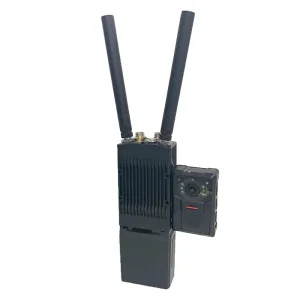
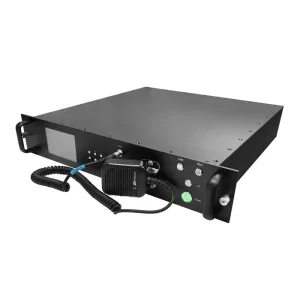
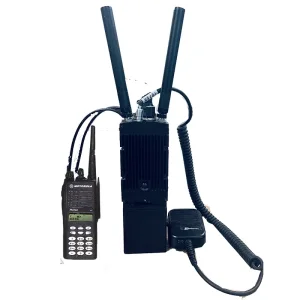
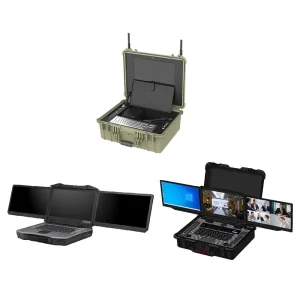
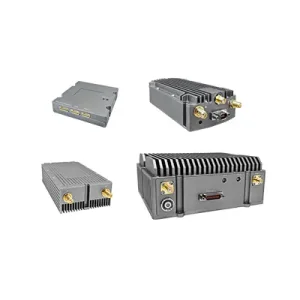
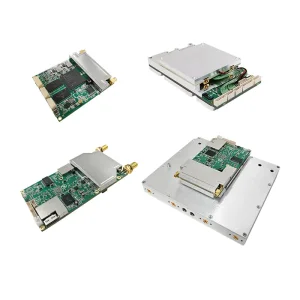
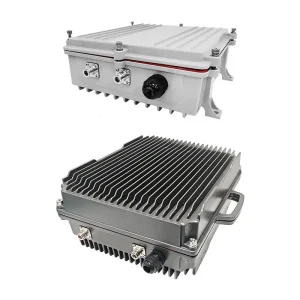
Highly scalable, zero-configuration mobile ad-hoc network nodes engineered for robust operation inside complex urban topology and marine ports.
The Lisbon metropolitan area, spanning from the bustling logistics hubs along the Tagus estuary to the tight, historical districts of Alfama and Bairro Alto, presents a unique challenge for radio frequency (RF) networks. Traditional line-of-sight communication fails under the stress of dense masonry, steep topographical gradients, and modern maritime industrial electromagnetic interference.
As Lisbon continues its aggressive transition into a premier European tech hub, municipal entities and private logistics giants are demanding highly reliable, non-cellular communication backbones. Our broadband and narrowband wireless MESH factory-grade hardware is specifically configured to circumvent cellular outages, utilizing intelligent multipath dynamic routing algorithms that maintain voice, telemetry, and high-definition video links regardless of structural blocking.
Whether securing communications for emergency services on the hilly streets of Lisbon or orchestrating unmanned operations at the Port of Lisbon, our self-forming, self-healing networks ensure constant data integrity.
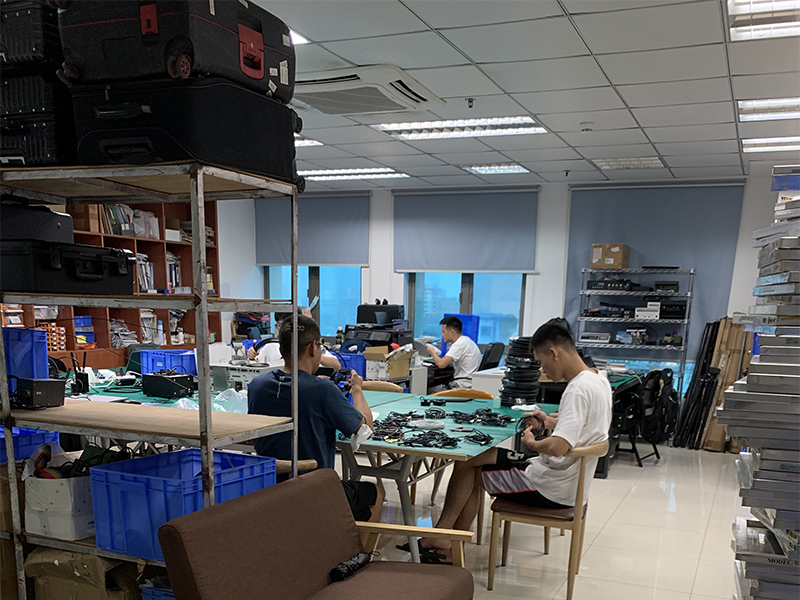
Established in 1996, Shenzhen Huaxiasheng Technology Co., Ltd. has been at the forefront of wireless data transmission product development, hardware engineering, and critical network design for nearly three decades. Our deep collaboration with elite research institutes and universities has powered thousands of mission-critical networks globally.
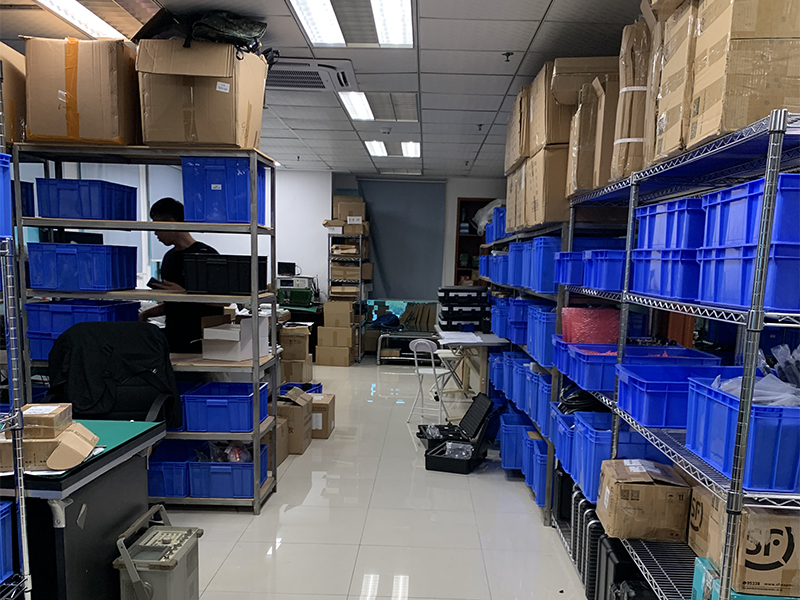
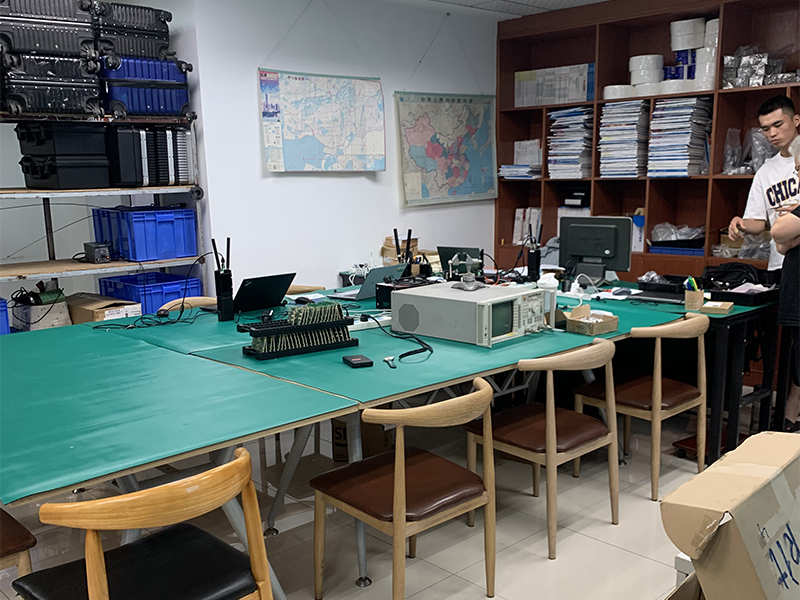
We design, engineer, and manufacture all hardware in-house. Our extensive product ecosystem spans digital data transmission radios, high-speed frequency hopping transceivers, industrial wireless Ethernet bridges, and multi-band MANET/MESH modules. In Lisbon and across Iberia, we work hand-in-hand with regional systems integrators to supply custom OEM/ODM solutions configured to local European spectrum profiles.
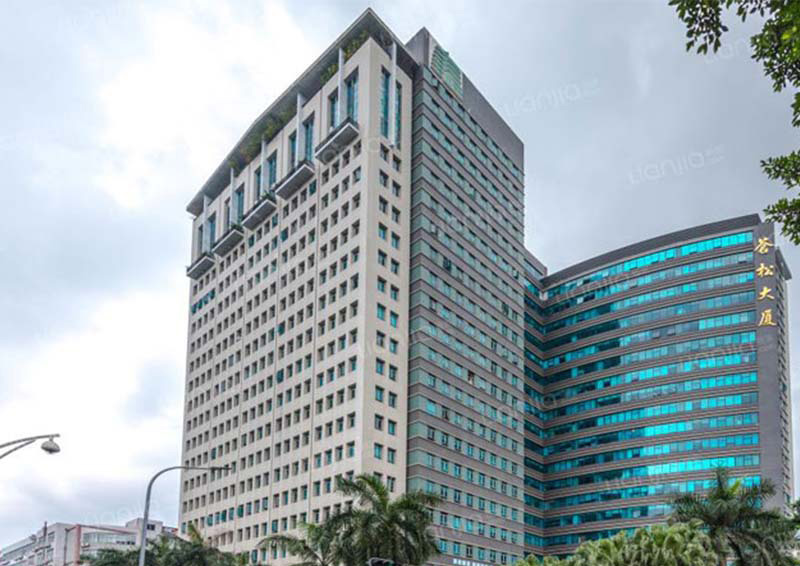
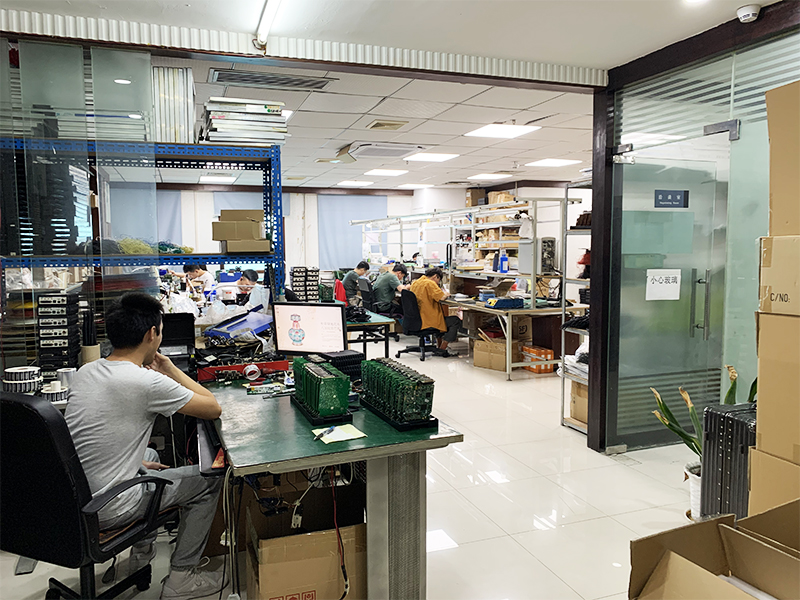
State-of-the-art SMT lines and RF testing chambers ensure every MESH node meets military-grade stress resistance parameters before dispatch to Portugal.
We provide full RF heatmapping, link-budget calculations, and local configuration templates for complex urban environments and marine structures.
From advanced MIMO spatial multiplexing to custom frequency hopping algorithms, our products deliver extreme transmission security and zero-failure links.
Understanding the core differences between high-throughput broadband systems and ultra-penetrative narrowband networks is essential for Lisbon municipal and industrial system integrators.
| Parameter | Broadband MESH (MANET Series) | Narrowband MESH (Ad-Hoc Telemetry Series) |
|---|---|---|
| Typical Frequency Bands | 570MHz - 1.4GHz, 2.4GHz, 5.8GHz (Customizable) | 130MHz - 470MHz (Sub-GHz ultra-penetration) |
| Data Rate Capacity | Up to 150 Mbps (MIMO) / 500 Mbps peak | 9.6 Kbps to 250 Kbps (Optimized for telemetry/voice) |
| Link Distance (Line-of-Sight) | 10km - 30km (Ground-to-ground / Airborne) | 30km - 50km+ (Extreme range digital links) |
| Obstacle Penetration | Moderate (Requires dynamic multi-path routing) | Exceptional (Diffracts around obstacles and urban density) |
| Primary Applications | HD Tactical Video, Multi-sensor Feeds, Command Center Links | PLC Automation, RTK Corrections, Remote I/O, Voice Intercom |
| Dynamic Re-routing Time | < 50ms (Automatic link-recovery) | < 100ms (High-durability routing protocols) |
By utilizing a hybrid deployment strategy—nesting narrowband intercoms and sensors inside a broadband MESH backbone—Lisbon operators can achieve uninterrupted connectivity across complex port zones and underground metro tunnels.
Tailored solutions mapping directly to the physical topography, economic assets, and security requirements of the Portuguese capital.
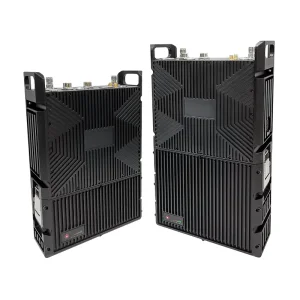
The Tagus River terminal requires continuous data feedback from automated guided vehicles (AGVs), unmanned surface vessels (USVs), and crane sensors. Our MIMOmesh vehicular and airborne modules provide robust high-speed links unaffected by container stacking and maritime weather conditions, facilitating seamless logistics automation.
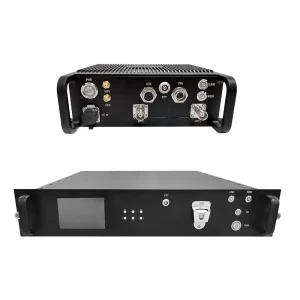
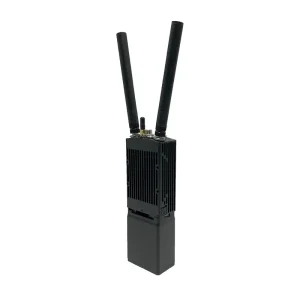
With narrow corridors, stone construction, and steep terrain, standard Wi-Fi and 5G signals degrade rapidly. Our portable command boxes and multimode handheld nodes create a local, self-forming network that emergency services can rely on when cellular towers fail during grid anomalies or high-congestion events.
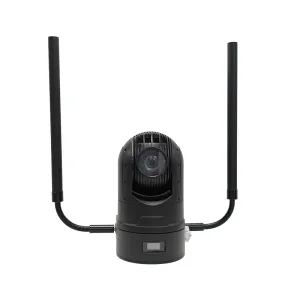
Subterranean tunnels, water conduits, and drainage lines block standard GPS and RF signals. Our digital data transmission radios and MESH deployment cameras act as repeating chain links, passing continuous data from deep underground channels to surface command posts.
Our R&D pipeline focuses on minimizing payload weight, optimizing power consumption (SWaP), and maximizing spectral efficiency. Our equipment range covers every tactical operational segment:
To operate in Lisbon's crowded municipal spectrum without generating or suffering from interference, our high-speed digital radios employ dynamic, adaptive frequency hopping. When the system detects localized interference, it transparently shifts channels in microseconds, keeping the communication link perfectly stable.
This is combined with modern GNSS/RTK wireless data links, allowing agricultural drones in Portugal's neighboring fields and construction machinery in Lisbon's infrastructure projects to achieve centimeter-level positioning accuracy.
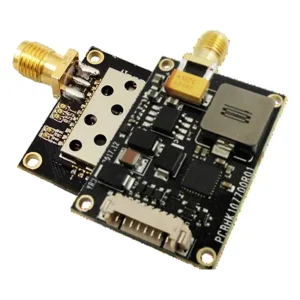
For system integrators and local manufacturers in Lisbon, we offer raw RF transceiver modules, multi-serial port composite connectors, RF power amplifiers, and voice codecs. Our engineers provide custom firmware configurations to match specific Portuguese and European Union band guidelines (ANACOM certified).
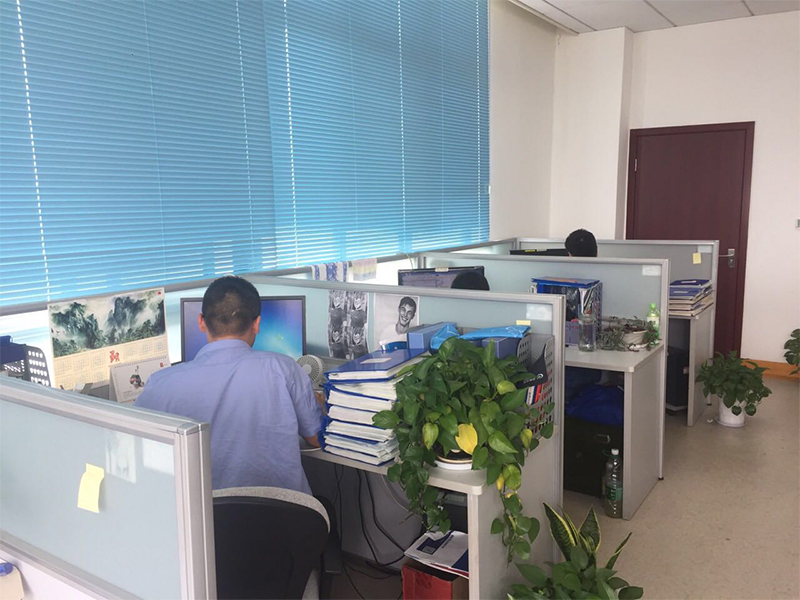
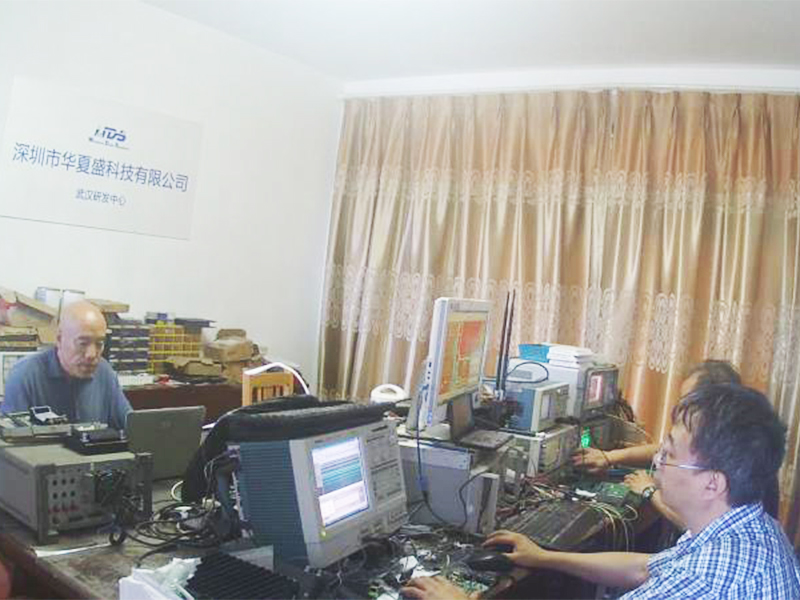
Deploying wireless infrastructure in Lisbon requires strict adherence to European telecommunications rules. Every module and radio node exported to Portugal is compliant with the specifications set by the Autoridade Nacional de Comunicações (ANACOM) and ETSI standards.
All wireless transmitters undergo testing for electromagnetic compatibility (EMC) and electrical safety, guaranteeing a seamless integration process within EU territories.
Configured specifically to operate in non-licensed and licensed telemetry bands dedicated for public utility and civil defense operations inside Portugal.
For sensitive public utility networks, all data frames transmitted across the MESH nodes support end-to-end AES-256 and AES-128 encryption, securing communications against interceptors.
As communications infrastructure continues to evolve, Shenzhen Huaxiasheng Technology Co., Ltd. is continuously iterating our MESH routing engines. Our future product roadmap includes integrating AI-driven dynamic spectrum access (DSA) to automatically avoid active localized frequencies used by commercial telecom operators.
We are also finalizing cellular-to-MESH hybrid modules. In the event of a total network outage, these modules will dynamically bridge local critical sensors directly to satellite backhauls, providing an additional layer of resiliency for critical infrastructures in Portugal.
Key technical insights to guide Lisbon system designers in specifying ad-hoc communication hardware.
Browse our core specialized series designed for vehicular, airborne, handheld, and infrastructure mounting.
Get direct technical support from our factory engineering team. Custom frequencies, structural evaluations, and pricing proposals are available on request.
 Sinosun Tech